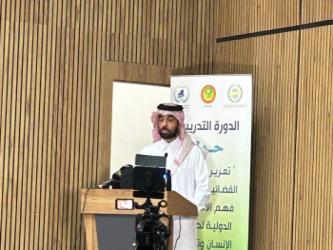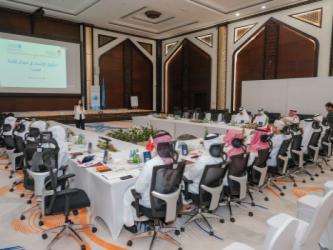

Human Rights Training for the Benefit of Judges, Prosecutors, Public Prosecution Members and Lawyers
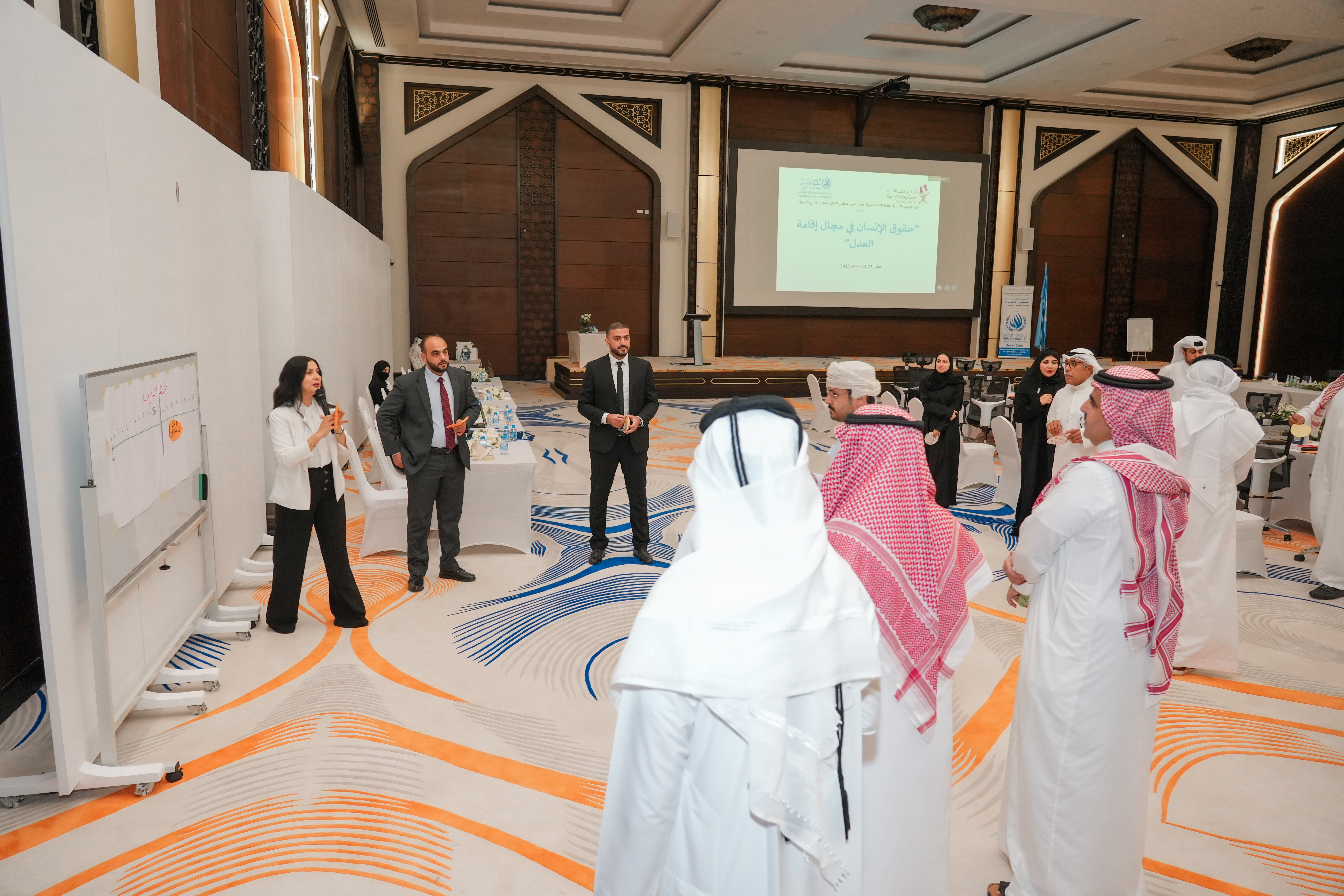
Human Rights Training for the Benefit of Judges, Prosecutors, Public Prosecution Members and Lawyers
Program Background:
Within the framework of the mandate of the United Nations Office of the High Commissioner for Human Rights (OHCHR) in the area of capacity-building to promote the right to access justice and rule of law as fundamental pillars for international peace, security, political stability, as well as achieving economic and social progress, and protecting people's rights and freedoms, the United Nations Human Rights Training and Documentation Centre for South-West Asia and the Arab Region ("The Centre") organizes a regional training course on "Human Rights in the Administration of Justice" for the benefit of judges, prosecutors, public prosecution members, and lawyers in the Arab region
Objectives:
The overall objective of this training course is to enhance the capacity of judges, prosecutors, and lawyers to apply international human rights norms and standards more effectively in the administration of justice.
By the end of the course, participants will be able to:
- Explain human rights concepts, principles, and standards applicable to the administration of justice.
- Identify and describe relevant international human rights mechanisms.
- Apply international human rights standards in judicial reasoning, decisions, and national legal proceedings.
- Identify legal challenges and obstacles that may hinder the administration of justice and the implementation of international standards at the national level.
- Exchange experiences and analyze case law and jurisprudence from the Arab region concerning human rights protection.
Methodology:
The course follows OHCHR’s human rights training methodology, with a needs assessment after nominations and pre-/post-training evaluations, plus ongoing feedback. It is highly participatory with discussions, group work, case studies, role plays/simulations, and practical exercises, and encourages participants to share their experiences throughout the training.
Materials for all sessions will be provided, and expectations are set on day one, checked daily, and reviewed at the end
Speakers/ Trainers:
● The training team will consist of OHCHR staff and experts/judges/prosecutors from the Arab region with expertise in the field of administration of justice.
Partners:
- Qatar Public Prosecution
Supreme Judiciary Council - State of Qatar
Audiences:
● The training course will target judges, prosecutors, public prosecution members and lawyers in the Arab region.