
Summer Course
Summer Course
Background:
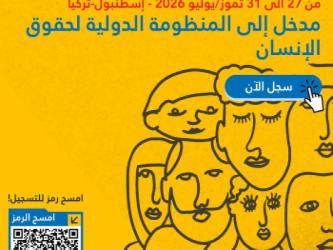
The Center organized its annual regional summer course for youth entitled “Introduction to the International Human Rights System.” Previous editions of this course were organized in cooperation with a number of partners, such as the Arab Master’s Programe in Human Rights and Democracy, the Agence Universitaire de la Francophonie, and the Norwegian Centre for Human Rights. This training is always held on the campus of Saint Joseph University in Beirut, Lebanon.
Objectives of the Summer Course:
The course aims to empower young participants to acquire knowledge of human rights concepts, principles, and mechanisms, in addition to a set of practical skills necessary for professional development in this field. By the end of the course, participants will be able to:
- Explain human rights concepts, principles, and standards.
- Describe international bodies concerned with human rights.
- Identify states’ obligations with regard to human rights and international humanitarian law.
- Recognize human rights violations, protection mechanisms, and complaint procedures available at the international level.
- Identify the role of human rights in young people’s daily lives and issues relevant to them.
Methodology and Course Evaluation:
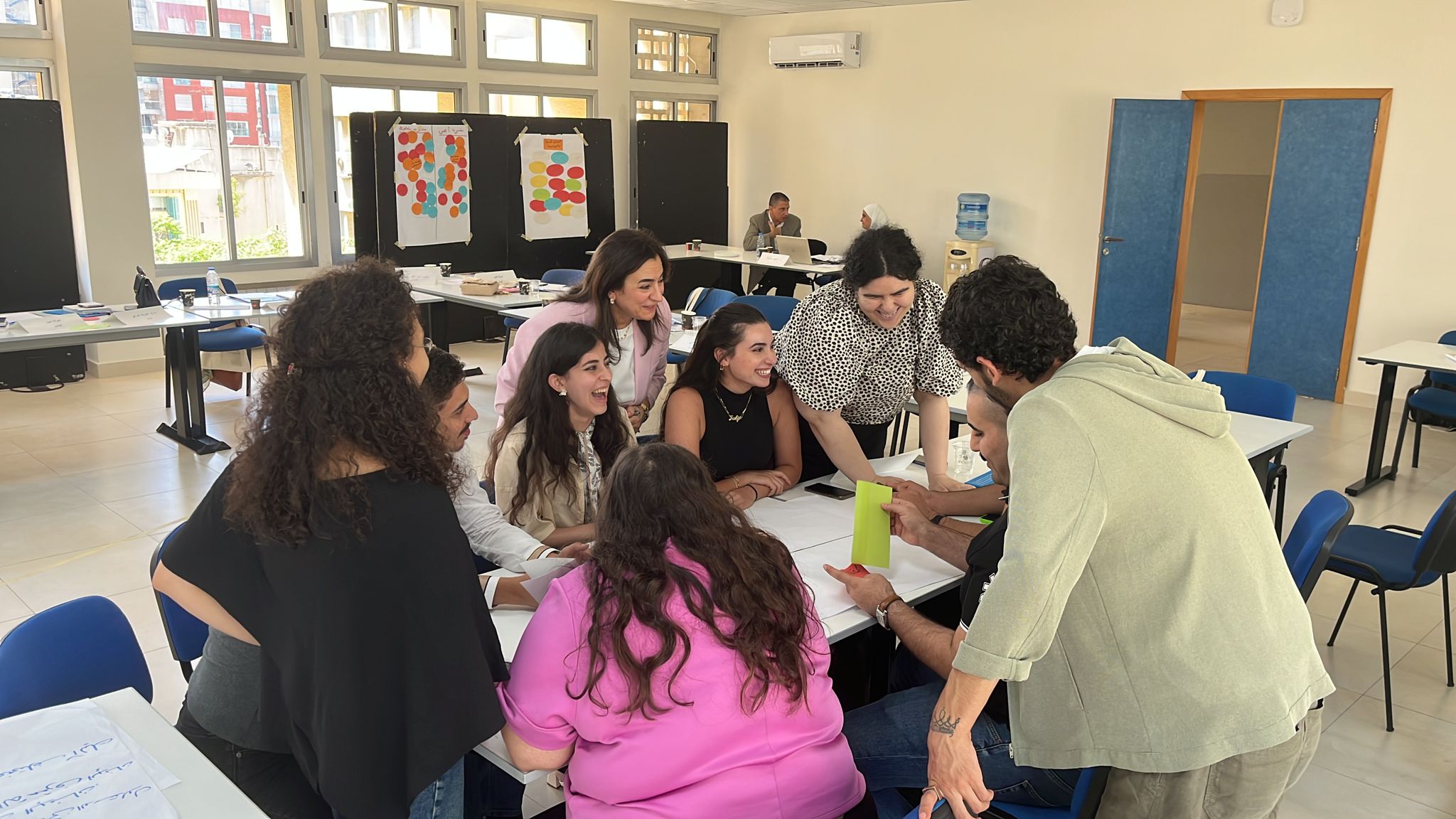
The course follows the Office of the United Nations High Commissioner for Human Rights (OHCHR) training methodology, including a needs assessment conducted after participant selection, pre- and post-training evaluations, and continuous feedback. The course is designed to be highly participatory through discussions, group work, case studies, role-playing/simulations, and practical exercises, while encouraging participants to share their experiences throughout the training. Materials for all sessions will be provided, and expectations will be set on the first day. Participants are required to attend the full course in order to receive a certificate of participation. The course also specifies the topics to be emphasized during the summer program.
Speakers and Lecturers:
The speakers will include selected academics, researchers, and practitioners in the field of human rights, including experts from the Office of the High Commissioner for Human Rights (OHCHR), Saint Joseph University (USJ), and other relevant institutions. The course aims to bring together lecturers with practical experience and academic backgrounds to provide a combination of theoretical and applied expertise.
Partners:
- Saint Joseph University and the Global Campus of Human Rights for the Arab World, Beirut, Lebanon
- Agence Universitaire de la Francophonie
- Norwegian Institute for Human Rights
Target Audience:
The course targets students, young academics, lawyers, and young professionals interested in working in the field of human rights, aged between 20 and 28 years.
Related Activities
Regional Summer Course on -Introduction to International Human Rights System, Lebanon – 22 to 26 July
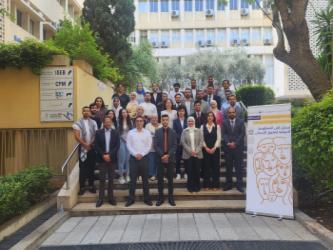
Summer Course for Arab Youth (3rd edition): “Introduction to the International Human Rights System” – Lebanon, 21-25 July