
World Scout Movement
World Scout Movement
Program Background
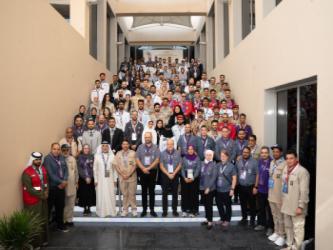
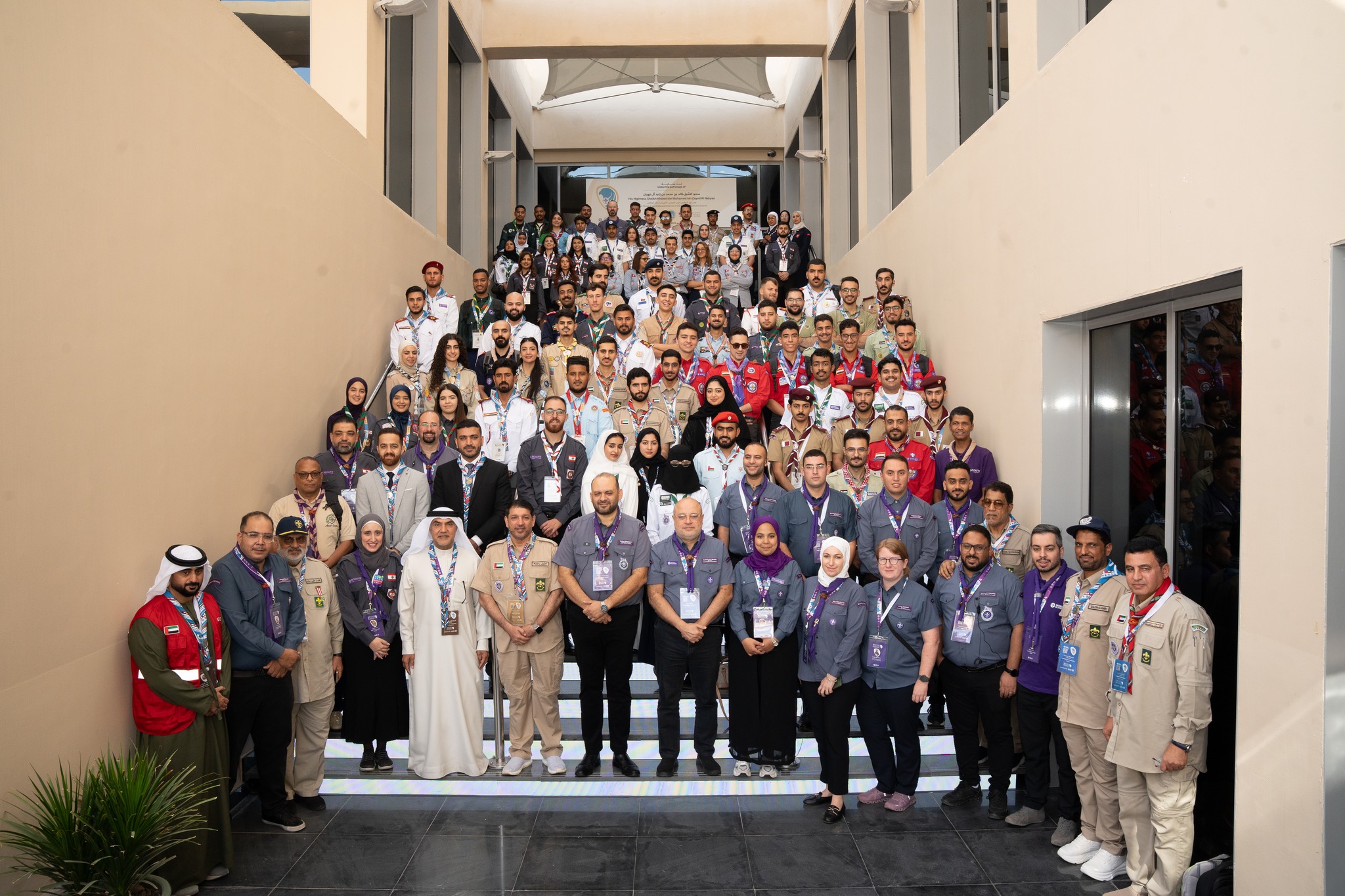
Within its new strategy under the Human Rights Education and Training Unit, the Centre seeks to promote human rights education by youth and for youth, in alignment with international standards and the priorities of youth engagement. In this context, following a series of meetings with the World Organization of the Scout Movement (WOSM) in the Arab region and participation in several of its events, the need emerged to develop a conceptual framework outlining potential areas of cooperation. The Centre has supported Arab Scouting efforts through various activities, notably the 33rd Arab Regional Scout Gathering at Al Marmoom Camp in the United Arab Emirates, the World Scout Conference held in Cairo, and participation in the 6th Arab Youth Scout Forum in Abu Dhabi.
Main Objective
The main goal of the collaboration between the Centre and WOSM is to enhance the inclusivity of national scouting activities by improving the understanding and integration of human rights education within youth-focused scouting programs.
Specific Objectives
This cooperation aims to:
- Integrate human rights education into the activities and programs of national scouting organizations in the Arab region, enabling young scouts to develop skills and gain new insights into human rights and interdisciplinary approaches.
- Promote the integration of human rights principles, diversity, and non-discrimination within scouting activities.
- Ensure that the scouting movement provides a safe and empowering space for children and youth, allowing them to learn about and exercise their rights, enjoy equal justice and opportunities, and maintain dignity free from discrimination.
Strengthen the role of scouting as a tool for citizenship and peace education, contributing to fostering a culture of respect for human rights.
Participation Pillars
The collaboration is based on several key pillars, including:
- Youth engagement
- Human rights education and training
Leadership training and capacity-building for scouts, including support for resource mobilization and budget planning
Target Group
Youth aged 18 to 26, particularly those involved in the scouting movement and national scouting organizations
Methodology
The program adopts a participatory and inclusive methodology focused on interactive learning and capacity-building through workshops, group discussions, and practical activities, ensuring active participation of all beneficiaries.
Expected Outcomes
This collaboration is expected to:
- Increase awareness: Scouts and youth will gain a deeper understanding of human rights principles, their significance, and their connection to everyday life.
- Empower youth: Scouts and youth will strengthen their ability to advocate for their own rights and the rights of others, and to participate actively in their communities based on human rights principles.